
The news
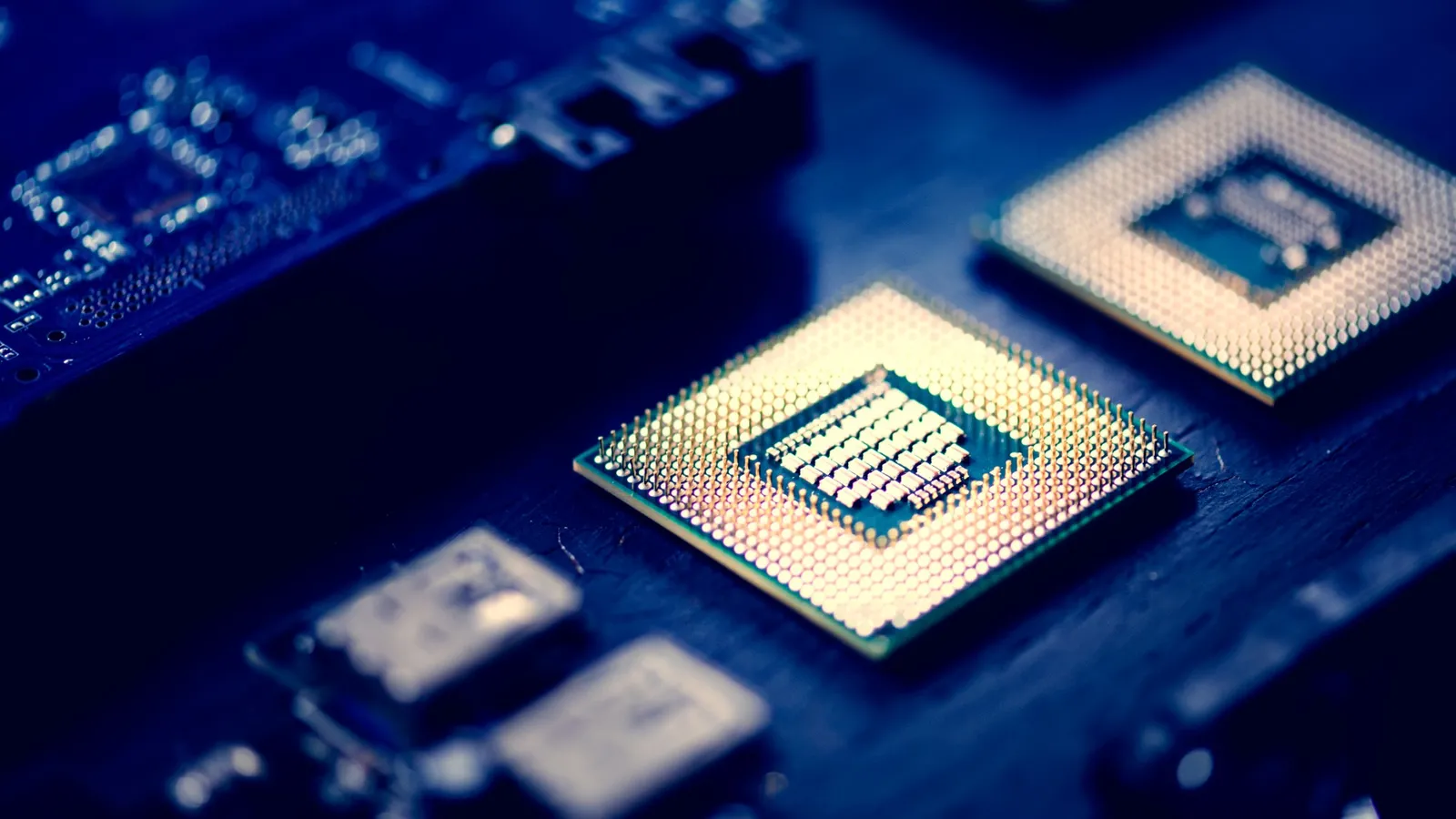
“Tohoku University” and the company “Aisin” in Japan introduced a new low-power AI chip. The chip finds things in a camera image. For example, a car. The makers say it uses one-fiftieth of the old method’s power per image.
The secret is memory. In the old method, the AI model comes to the chip from a separate memory. In the new chip, the model stays inside the chip. A magnetic memory of 32 megabytes holds it. The test used one small model.
How a low-power AI chip could hurt the Earth
- Certain: The one-fiftieth figure covers only running the chip. Making a chip also needs electricity. A sample of this chip was made with the 16-nanometre technology of “TSMC”. More than 80% of that company’s greenhouse gas comes from the electricity of its factories.
- Certain: The new chip detects slightly worse. Average detection accuracy fell from 0.325 to 0.316, about 3% lower. The model was shrunk to fit in the memory.
How a low-power AI chip could help the Earth
- Certain: The makers say the chip needs 50.7 millijoules per image. The old method needs 50 times more.
- Certain: The chip is 25 times faster from power-on to the first detection. The reason is that the model is already inside the chip. The old method must first fetch the model from a separate memory. The makers made these comparisons themselves.
- Our estimate: A camera is on day and night and checks 30 images every second. With the new chip it needs about 1.5 watts, or 13 kilowatt-hours a year. If the one-fiftieth figure is right, the old method needs 666 kilowatt-hours. So the saving is about 650 kilowatt-hours. But if the old method needs 5 watts, the saving is only about 30 kilowatt-hours. How many watts do your city’s cameras need today?
Our conclusion
For the Earth, the new chip is worth a try. It has one condition: it must replace the power-hungry device, not sit beside it. The one-fiftieth figure is still the makers’ claim.
We suggest that “Tohoku University” and “Aisin” name the old method. They should also publish how they measured.
This story shows that technology can be steered toward green. AI does not have to be power-hungry. When makers set saving power as the goal, the result shows. We ask every new chip and model to say what it takes from the Earth.
Tell us what you think
Should cameras and robots that run day and night get a low-power chip first? Write to us. More in Intelligence. New here? Read our Introduction.
Sources
- Tohoku University, 世界初、STT-MRAMを搭載した16nm AI SoCを開発, 2 November 2026.
- Nikkei Asia, Japan’s Aisin develops new type of AI chip that cuts energy use 98%, 3 November 2026.
- MONOist, 東北大とアイシンがSTT-MRAM搭載AIチップを開発、16nmプロセスでは世界初, 4 November 2026.
- TSMC, 2024 Annual Report: Climate and Energy, 2024.